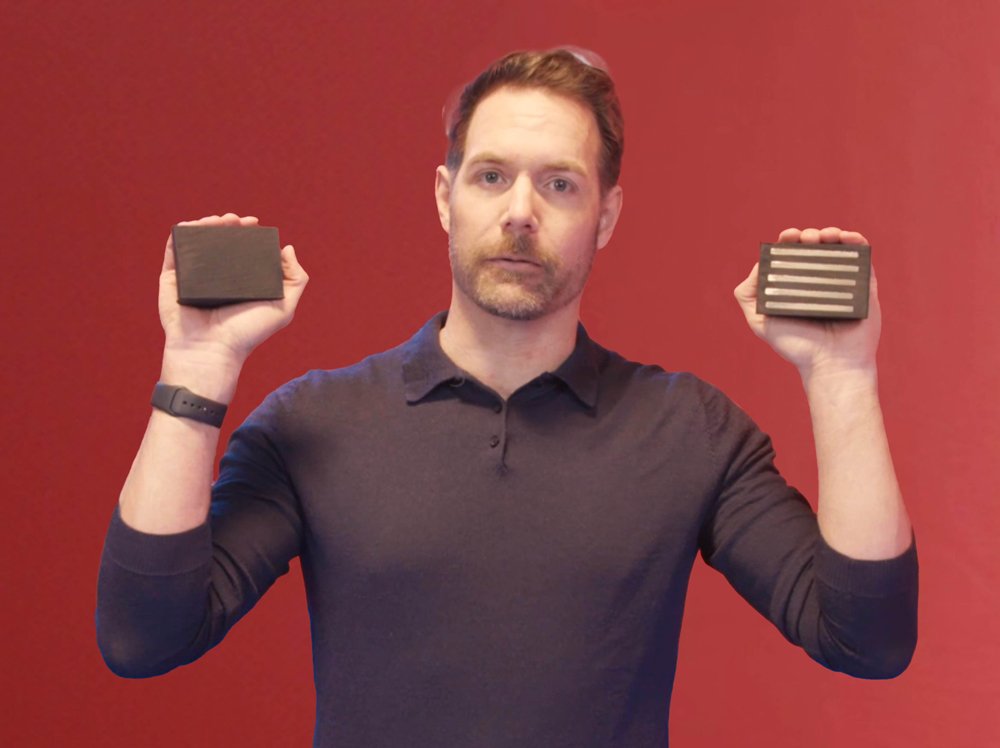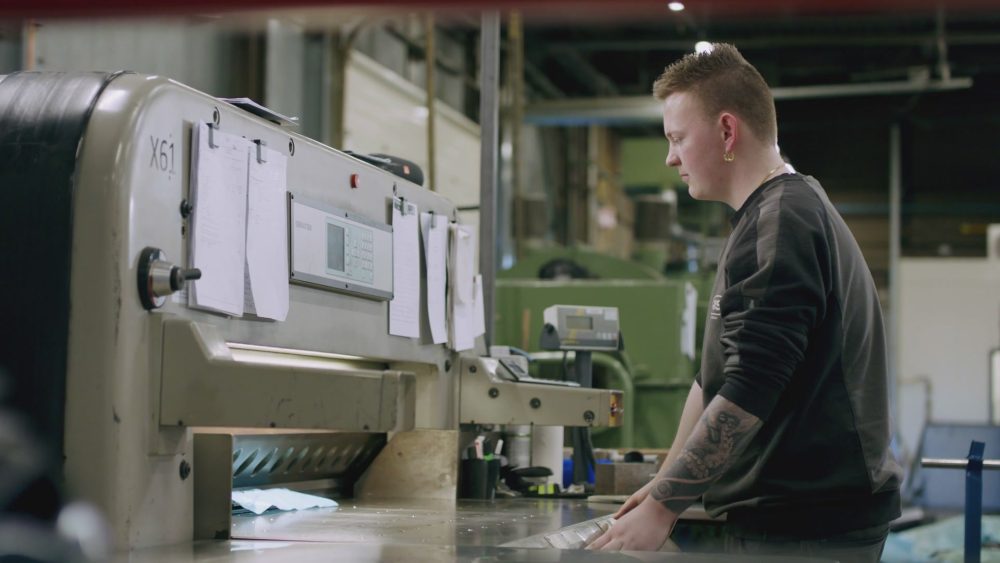
Traditional crane booms often encounter fatigue and wear issues. DRIE-D and RIS developed a solution: a flexible buffer pad that is not only capable of bearing heavy loads but also features a robust sliding surface with low friction. This innovation was the springboard for countless other shared accomplishments.

The collaboration between RIS Rubber and DRIE-D began in 2010 with the development of a buffer pad that combined rubber, metal and D-glide. Both companies share a technical focus and are always eager to take on challenges that utilise their materials and expertise.

Following the initial success in 2010, it became evident that the combination of rubber, metal and D-glide material increasingly offers solutions for situations requiring the handling of heavy loads while maintaining low friction. Over time, we have developed a wide range of buffer pads for various applications.

engineered for heavy loads

BUFFER BEAMS FOR CRANE BOOM SUPPORT

Ships stretch and flex. Supporting a massive, heavy crane boom on a ship generates significant reaction forces and causes fatigue in the overall structure. DRIE-D and RIS combined their expertise to develop a heavy-duty, flexible buffer pad with a robust sliding surface and low friction.

flexing and bending

THE CHALLENGE

No matter how large and robust ships may appear, even the biggest offshore vessels are ultimately highly delicate constructions, flexing and bending with the waves. Supporting the booms of today’s large offshore cranes is therefore no easy task. With every wave, the booms flex and strain against the support frames, generating high shear forces, fatigue in all joints and considerable wear of the supports.

rubber with a top layer

THE SOLUTION

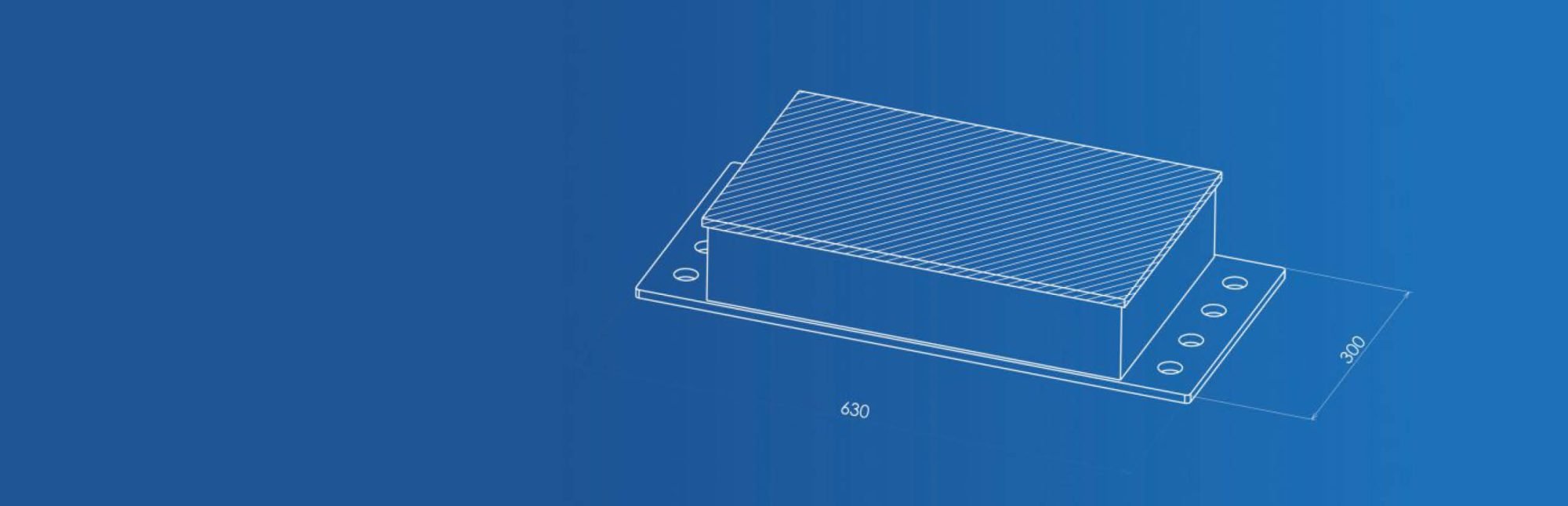
Custom buffer pads were developed, consisting of a rubber and metal base structure with a vulcanised D-glide top plate. The rubber-metal base is designed to absorb large, commonly occurring loads while providing low stiffness in the shear direction. This ensures that horizontal movements exert minimal force on all joints. For larger movements, the crane boom begins to slide on the D-glide top layer, which is far more resilient than the commonly used wooden or thermoplastic supports. The friction values are extremely low, effectively limiting the maximum horizontal loads on the boom joints and all related structural components.

effective solution

THE RESULT

The flexibility of the buffer pads, combined with the low friction and unmatched wear resistance of the D-glide top plate, provided an effective solution to the fatigue and wear issues commonly associated with traditional crane boom supports on seagoing vessels.

ongoing collaboration

THE FUTURE

The collaboration between DRIE-D and RIS Rubber, now spanning over a decade, is highly valued by both parties. The products resulting from this close partnership perform exceptionally well and are sold worldwide. More exciting projects are planned for the years to come.

Bianca
Marjelle
Stefan

Facing a challenge? We have the expertise

Together, we create the solution

Ask your question