rubber for outdoor use

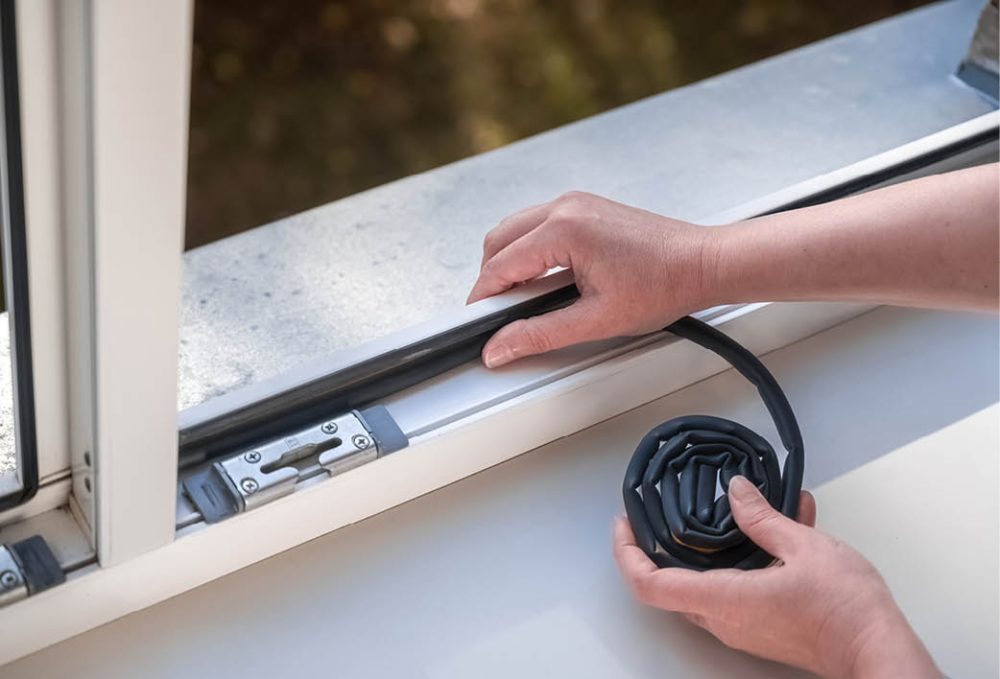
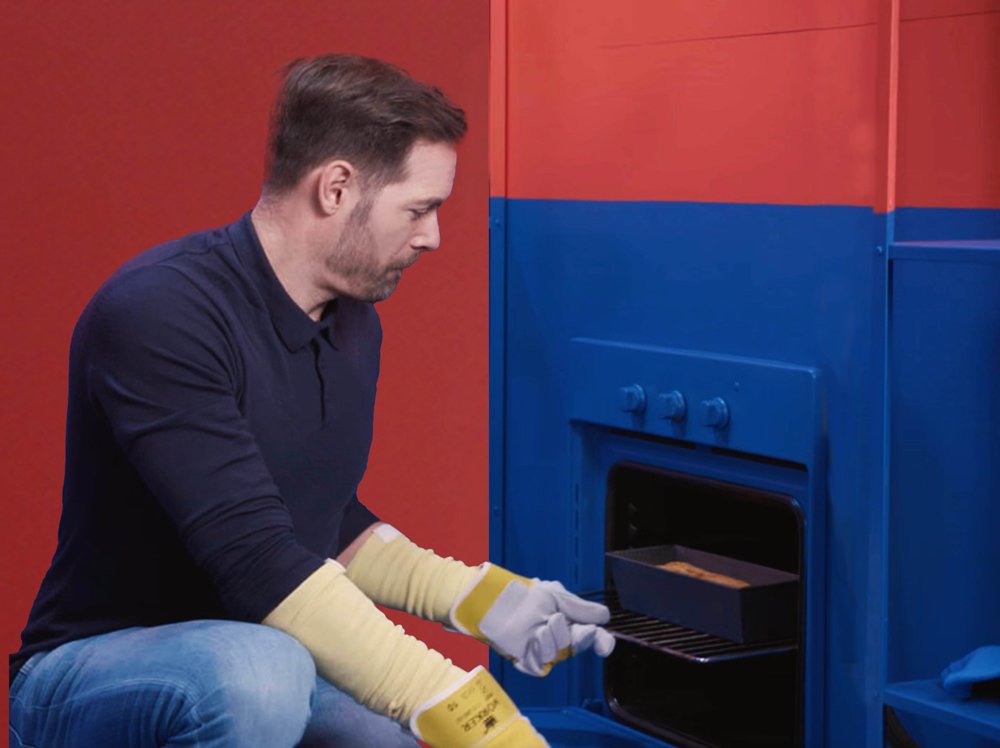
Whether used in the roofing material for an apartment block or to seal a car against draughts and moisture, EPDM rubber is an excellent choice. Known for its exceptional resistance to sunlight and changing weather conditions, it is no surprise that it is extensively used outdoors. Perhaps unsurprisingly, it also finds applications in dishwashers.

EPDM stands for ethylene propylene diene monomer. That’s quite a mouthful! To complete this chemistry lesson: it is a synthetic group of rubbers created through the polymerisation of propylene, ethylene and a diene. This makes it a type of terpolymer. Of course, the properties of this type of rubber are more important than all these terms! It is highly resistant to sunlight and fluctuating weather conditions, making it ideal for a variety of outdoor applications.

suitable for the food industry

PROPERTIES OF EPDM RUBBER

EPDM rubber is exceptionally resistant to ozone, UV radiation, acids and bases. It ages very slowly, making it ideal for meeting the highest standards of the water and food industries. It is frequently used in applications involving seawater and hot water. EPDM can withstand temperatures ranging from -30 to +130°C, with hardness levels varying between 30 and 90° Shore A.

Another significant advantage of EPDM is its excellent colourfastness. Its ozone resistance ensures the rubber retains its original colour for a long time. However, EPDM is not suitable for applications involving crude oil, diesel, petrol, gas or kerosene. For such uses, NBR is a more appropriate choice due to its compatibility with oils, greases and lubricants.

Background information

WHAT IS SHORE HARDNESS?

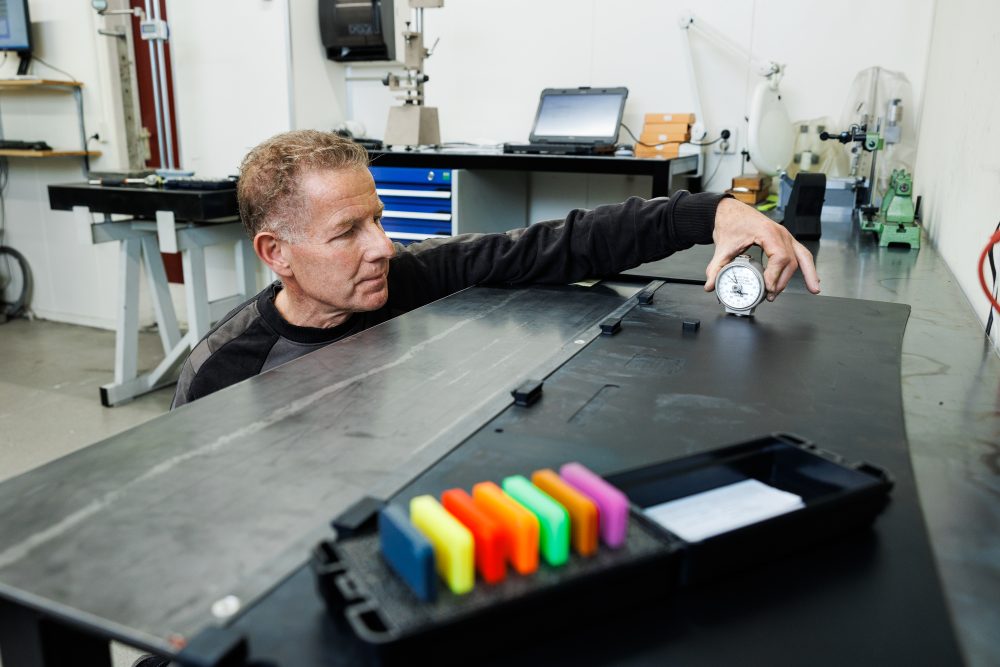
The hardness of rubber and plastic is measured on the Shore hardness scale. The instrument used to measure it is called a durometer. The Shore A scale ranges from 0 to 100. For example, a pencil eraser is soft and measures low on the scale, whereas a skateboard wheel is hard and scores high. The higher the number, the harder the material. Materials harder than Shore A fall into the Shore D class, which typically includes plastics like those used in safety helmets. Softer materials, such as gummy bears, fall under the Shore 00 class.

highly resistant to ozone

APPLICATIONS OF EPDM RUBBER

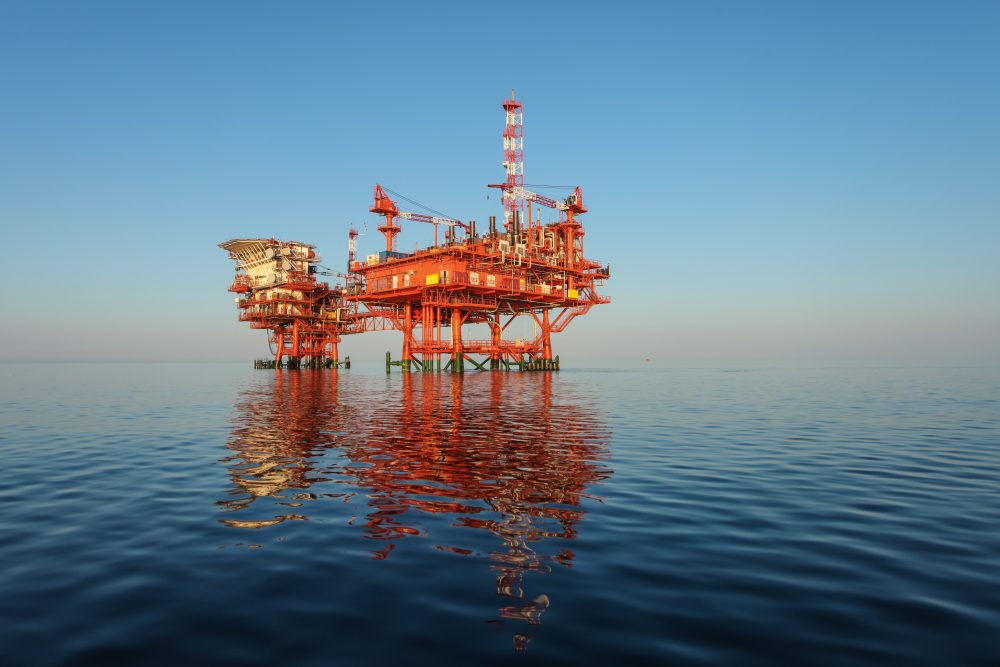
Because EPDM is highly resistant to ozone, it is widely used outdoors, in applications ranging from the maritime industry to construction. A well-known example is roofing, where it protects the roofs of houses and apartment blocks from weather conditions. EPDM is also indispensable in the automotive industry, where it is commonly used in seals to keep out draughts, wind and water. In some cases, it is used in reverse – to keep water in – through seals or hoses. Examples include dishwashers, washing machines and water pipes, for which EPDM’s temperature resistance makes it particularly suitable.

At RIS Rubber, EPDM is primarily used in seals for butterfly valves in marine and offshore applications and in the production of expansion joint profiles.

Whitepaper

Bianca
Marjelle
Stefan

Facing a challenge? We have the expertise

Together, we create the solution

Ask your question