Vibration isolation

One of rubber’s key properties is its ability to absorb vibrations – a characteristic that is both essential and incredibly practical. Without rubber, cars would rattle apart and bridges could fracture. But how does this work?

Rubber boasts many valuable qualities for everyday applications. It is wear-resistant, elastic and resilient, which allows it to effectively absorb and dampen vibrations.

returns to its original shape

Time for a more technical ‘deep dive.’ Rubber can bend and deform in response to an applied force. When force is exerted on the material, the molecules in the rubber stretch, absorb the energy from the force and dampen the vibrations. This energy is then dissipated, resulting in a reduction in the vibration’s amplitude.

Put more simply: the energy from the vibrations is lost as the rubber springs back to its original shape. This makes the material ideal for dampening vibrations in cars, other vehicles, buildings and machinery.

from playground to washing machine

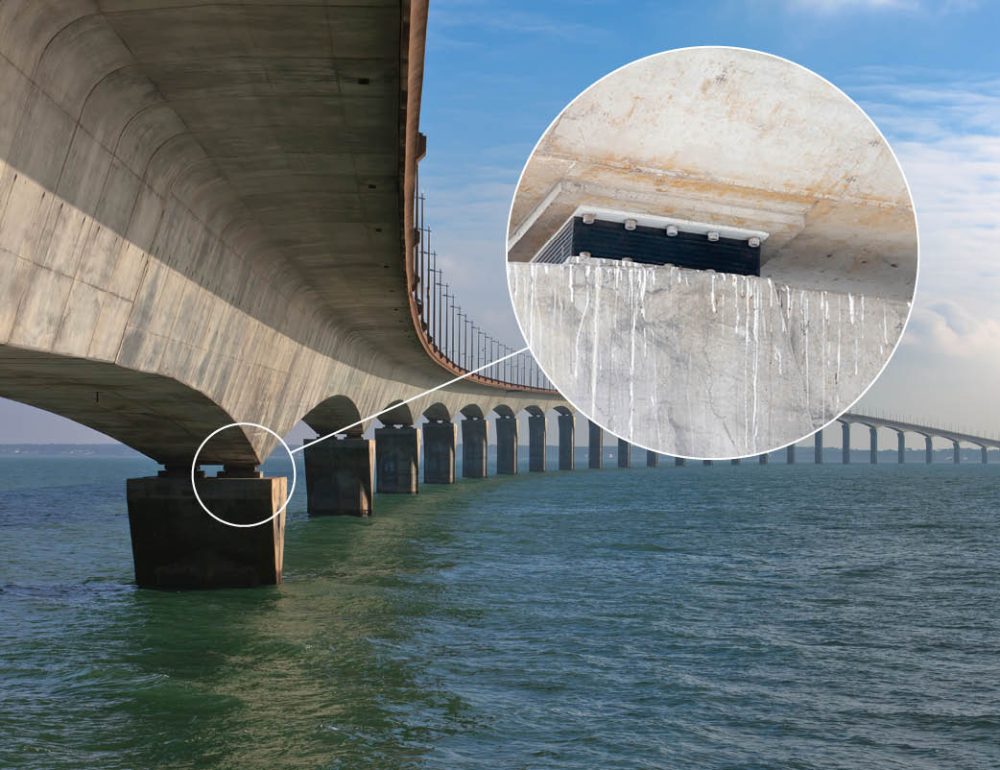
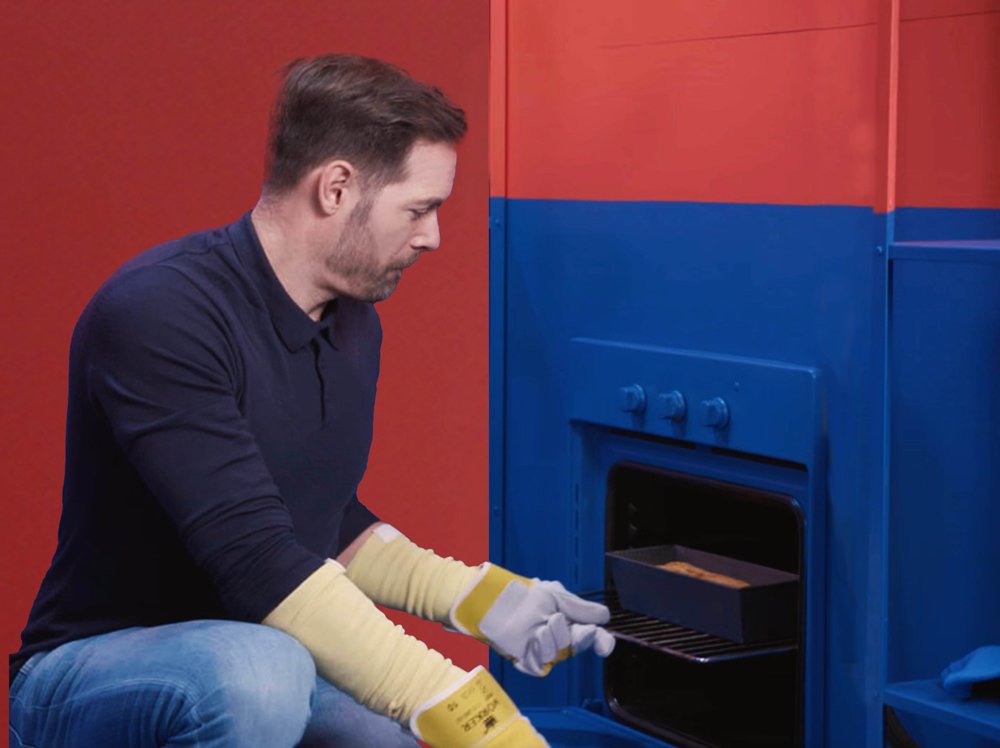
As Ferry explains in the video, without rubber a car would shake itself apart. Bridges rest on rubber-and-metal bearings to absorb all the vibrations from traffic. Buildings in earthquake-prone areas are also made vibration-resistant using rubber products. By now it should be clear: rubber is essential for managing and absorbing vibrations.

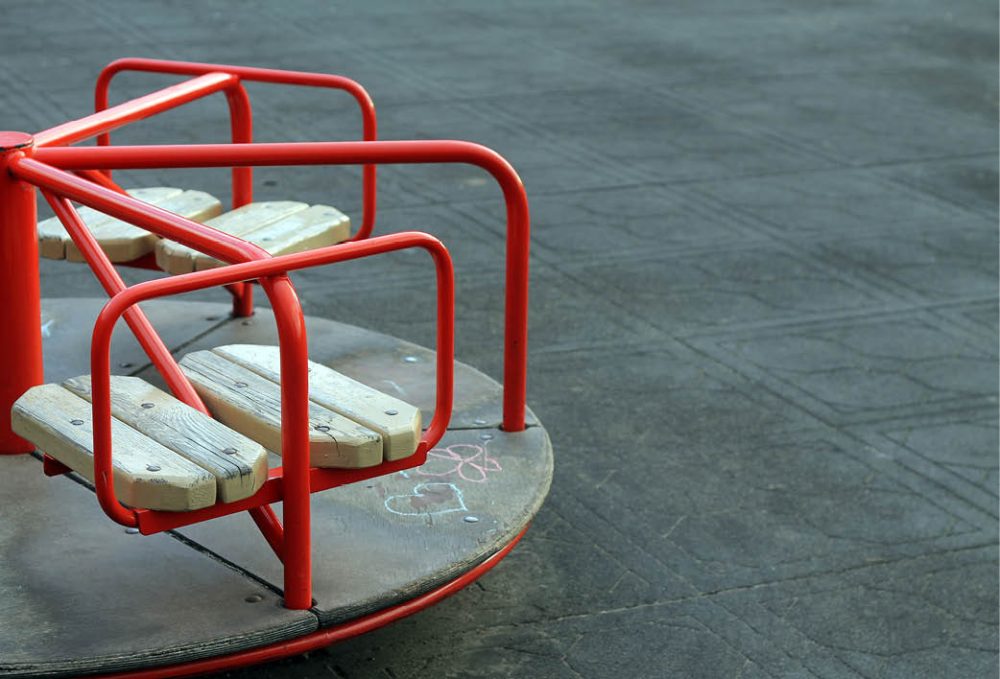
Rubber also plays a role in everyday household applications. For example, washing machines are quieter thanks to rubber. The rubber mallet used by pavement layers prevents the pavers from cracking. In children’s playgrounds, specially tested rubber safety tiles help absorb impacts. If a child falls, the rubber cushions the blow, reducing or even preventing injury.

flexible and robust

Most of the rubber vibration dampers we produce in our factory also incorporate a metal component. Although rubber and metal are fundamentally incompatible, a special pre-treatment in the Metal Preparation department ensures they can bond effectively. This makes rubberising metal feasible. You can learn more about this process here.

The next step involves bonding the vibration damper with metal. Because these products are often bulky, they are usually made in a compression moulding machine. The cold rubber is manually placed in the mould. Under the clamping force and heat of the machine, the rubber takes the shape of the cavity or cavities in the mould.

years of experience

Our factories and production facilities manufacture a wide range of products designed to absorb vibrations. For years, we have been producing vibration dampers – also called oscillation dampers – that function as machine mounts under large engines on cargo ships. We also produce silent blocks for suspension struts, which are also used to absorb vibrations.

Whitepaper

Bianca
Marjelle
Stefan

Facing a challenge? We have the expertise

Together, we create the solution

Ask your question