exceptional memory

Seals are essential for preventing the escape of liquids, odours or gases, and rubber plays a crucial role in achieving this. Its unique properties ensure that machines function as intended.

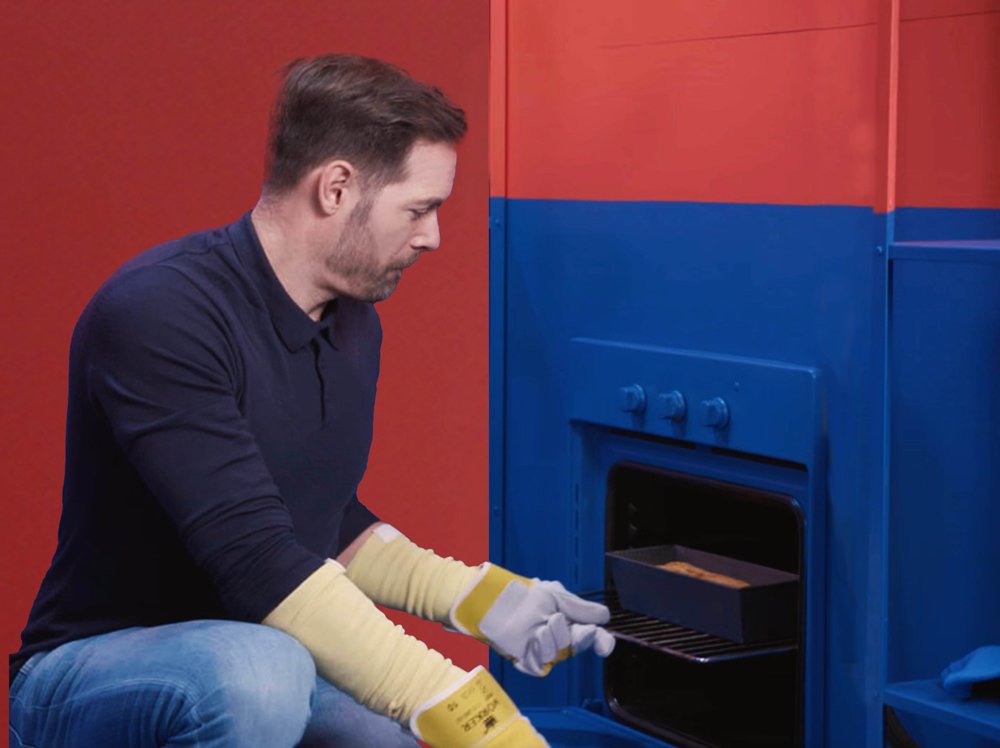
One of rubber’s most valuable qualities is its memory. Incredibly flexible, it can deform under pressure without breaking or sustaining damage. And best of all, it always returns to its original shape. This makes rubber the perfect material for making seals that effectively contain fluids and gases. In fact, without rubber, many machines and systems would be unusable.

from small to large

DESIGNING RUBBER SEALS

Rubber seals are used in everyday items like taps and in larger applications such as maintenance hole covers. Whether large or small, designing a rubber seal requires a precise understanding of the material and shape needed for the product. This process involves determining how much pressure will be exerted on the seal, the medium flowing through it and the temperature of that medium. Evaluating these three factors determines the grade of rubber required for the specific seal.

always a suitable rubber type

MANY DIFFERENT GRADES OF RUBBER

Each rubber grade has its own unique properties; EPDM is resistant to ozone and UV radiation whereas FKM rubber is highly suitable for use in extreme temperatures. With the right expertise, the most appropriate rubber type can be identified for any seal.

withstanding high pressure

EXAMPLES OF RUBBER SEALS

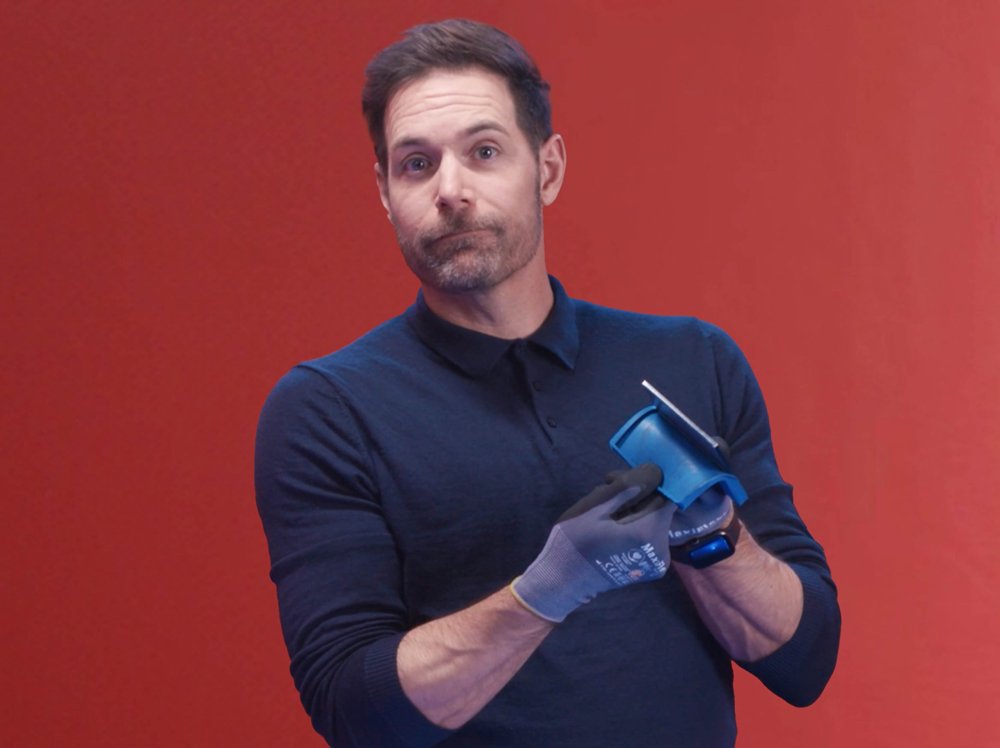
RIS produces tens of thousands of seals annually. A good example is the O-ring, as shown in the video accompanying this article. While such a ring is a smaller variant, the larger the valve diameter, the larger the seal. For high-pressure applications, seals are reinforced with a metal insert or ring. These are commonly manufactured for butterfly valves and gate valves.

Whitepaper

Bianca
Marjelle
Stefan

Facing a challenge? We have the expertise

Together, we create the solution

Ask your question